Comparing Solar Power to Other Renewable Energies in Pakistan: Which Is Best for You?

Renewable energy sources are becoming more and more important as Pakistan’s energy sector undergoes a major shift. Solar energy stands out among these because of its special benefits. To find out which renewable energy source best suits the various demands of Pakistan’s regions and sectors, it is crucial to compare solar energy with other renewable sources like wind and hydro. 

Solar Energy: Harnessing the Power of the Sun

In Pakistan, solar energy has become a major renewable resource, especially in areas with lots of sunshine. Among its advantages are:

Scalability: Solar provide versatility to satisfy different energy demands, ranging from modest household configurations to big commercial projects.

Cost-Effectiveness: A wider range of people may now obtain solar energy through incentives like net metering and reduced installation prices.

Minimal Environmental Impact: Solar panels help cut greenhouse gas emissions by producing clean energy with a small environmental impact. 

Wind Energy: Tapping into Natural Air Currents

A viable substitute is wind energy, particularly in high-altitude and coastal regions. Important things to think about are:

High Energy Potential: Areas with substantial wind corridors that can provide a sizable amount of electricity include Sindh.

Infrastructure Requirements: Significant investments in technology and infrastructure are necessary for the efficient production of wind energy.

Intermittency: Depending on wind patterns, wind energy production might fluctuate, requiring backup plans.

Hydropower: Utilizing Water Flow for Energy

With multiple sizable dams already in place, hydropower has long been a renewable energy source in Pakistan. It has the following qualities:

Proven Technology: Hydropower is a dependable and well-understood energy source.

Large-scale generation: Able to support national grids by producing substantial volumes of electricity.

Impacts on the Environment and Society: Big dams may have ecological repercussions and force communities to relocate, which raises questions about sustainability.

Renewable

Final Thoughts: Selecting the Best Renewable Energy Source

Geographical location, energy requirements, and environmental conditions are some of the variables that determine which renewable energy source is best for a particular application in Pakistan. Many find solar energy to be an appealing option due to its broad applicability and little environmental impact. Other potential choices are wind and hydropower, especially in areas with plentiful resources and feasible infrastructure.
Consulting Shams can offer customized solutions that fit certain demands and situations for companies and homes looking to lower energy expenses and environmental impacts. For more details, contact us at (+92) 0341 7426777, email sales@shams-power.com.

AI & Solar Power: The Smart Future of Energy for Businesses in Pakistan

As Pakistan navigates growing energy demand, unstable grid conditions, and increasing pressure to adopt sustainable solutions, solar power stands out as a beacon of hope for commercial and industrial sectors. 

Today, AI is unlocking new levels of efficiency, reliability, and return on investment for solar projects. From precision forecasting to predictive maintenance, AI is becoming an essential tool for powering Pakistan’s commercial future.

Smarter Forecasting, Smarter Planning

One of the biggest operational challenges with solar energy is its variability—especially in Pakistan, where weather and air quality conditions can shift rapidly. AI tools trained on real-time satellite data and historical climate patterns can enable more accurate solar output forecasting, even down to 15-minute intervals.

For businesses relying on net metering or hybrid systems with backup diesel, these forecasts allow for more strategic planning—whether it’s optimizing energy usage, reducing load on generators, or scheduling operations during peak solar output. It helps facilities managers and sustainability leads align energy production with business needs more precisely than ever before.

Predictive Maintenance: From Reactive to Proactive

At scale, even minor inefficiencies in a solar array can translate into significant production loss. Traditional maintenance often reacts to problems after they occur. With AI, we flip the script.

By analyzing sensor data across the system—panel temperature, inverter performance, soiling levels, shading trends—AI platforms can flag early signs of underperformance or degradation. For commercial clients, this translates into:

  • 70% fewer unexpected breakdowns
  • 25% longer asset lifespan
  • Lower long-term O&M costs
AI

AI-Driven Reporting and Operational Insights

Through natural-language interfaces and dashboards, operations teams can now query system performance data instantly:

  • “What was the site performance over the last 30 days?”
  • “Which inverter is showing abnormal heat?”

This conversational analytics approach streamlines site monitoring, client reporting, and investor communications. For C&I clients, transparency and responsiveness are key—and AI can enable both.

Energy Trading & Storage Optimization

Pakistan’s evolving energy landscape, particularly with NEPRA’s net metering and wheeling regulations, is creating space for more dynamic energy management. For sites with solar-plus-storage systems, AI can optimize when to store energy and when to export it to the grid or use it on-site—based on real-time tariff data and load forecasting.

This is especially valuable for industrial clients with high consumption variability or time-sensitive processes. AI-driven trading helps maximize solar ROI and enhance grid resilience.

Designing and Scaling Smarter Solar Systems

AI isn’t just about managing solar—it’s improving how systems are designed. By analyzing thousands of real-world variables, AI can help determine optimal panel placement, tilt angles, inverter sizing, and shading analysis. It shortens the design cycle and increases long-term yields.

In fact, global innovations in materials (like AI-optimized perovskites) are starting to influence future panel choices. 

Edge AI for Real-Time Decisions

For large-scale rooftop and ground-mounted installations, especially in manufacturing zones, latency matters. That’s where edge AI comes in—bringing intelligence directly to devices like inverters or controllers without relying on cloud processing.

This enables real-time responses to faults or grid instability, improving safety, system uptime, and cybersecurity—crucial for businesses that can’t afford energy disruption.

AI

The Future is AI-Driven—and Solar-Powered

At Shams Power, our mission has always been to provide reliable, bankable solar energy to Pakistan’s commercial and industrial sector. Now, by integrating AI into our O&M and system design workflows, we’re unlocking new levels of operational excellence, energy efficiency, and value for our partners.

For enterprises aiming to future-proof their energy infrastructure, adopting AI-enabled solar is no longer a luxury—it’s a strategic advantage.

Ready to upgrade to intelligent solar energy?

Reach out to Shams Power for tailored, AI-powered energy solutions designed for the demands of Pakistan’s leading businesses.

Importance Of Continued Policy Support for Solar Power in Pakistan

Pakistan’s Solar Power Is Growing Quickly

Pakistan has witnessed a remarkable surge in solar energy in recent years. The nation rose to the top of the global solar panel import rankings in 2024. This increase demonstrates how rapidly solar energy is permeating many Pakistanis’ daily lives.

Solar is becoming more popular in offices and industries because it lowers electricity costs and offers more dependable power, particularly during load shedding.

How This Growth Was Assisted by Government Policy

Pakistan’s solar success is a result of both beneficial government policy and technology. Private enterprises were able to invest in solar according to the Renewable Energy Policy (2006), and individuals were able to sell excess electricity back to the grid due to the Net Metering Rules (2015). Because of these developments, solar energy became more feasible and economical, and as a result, renewable energy sources accounted for three-quarters of the growth in electricity demand in 2024, with 40% coming from solar power alone.

The government has set goals for renewable energy, hoping that by 2030, 60% of its generation capacity will come from domestic clean energy sources. The strategies and measures for achieving the intended results for the power industry are outlined in the National Electricity Policy 2021 and the National Electricity Plan (NEP) 2023-27. In order to guarantee the supply of dependable, secure, economical, and efficient electricity and to facilitate the shift to clean energy resources, the government has put in place the required policy framework.

The government intends to maintain its legislative and regulatory support for solar energy in order to facilitate its ongoing expansion. The Government is continuing its support towards the growth of solar energy through policy and regulatory framework. Future large-scale capacity expansions will continue to mostly use solar energy, and the government is encouraging distributed generation using renewables in both off-grid and grid-connected modes. Solar energy, being one of the cheapest sources of power generation, would remain a main component of new large scale capacity additions in the future.

To supply electricity to people who are off the grid, the government is also encouraging micro and mini networks that are powered by renewable resources. More installations based on renewable energy would be made possible by the launch of the entire electricity market under the Competitive Trading Bilateral Contract Market (CTBCM) regime, as designed by NEPRA. The initiation of the whole electricity market under the CTBCM regime would also pave the way for more renewable energy based installations.

The expansion of solar energy is anticipated to be crucial in supplying Pakistan’s energy needs as the nation continues its shift to a more sustainable energy future. The conditions are right for solar energy to emerge as a significant force in Pakistan’s energy landscape thanks to the government’s encouraging policies and regulatory framework.

Additional People Are Using Solar Power, But There Are Still Issues

Net metering has been used to connect over 300,000 solar systems so far. By returning excess power to the grid, residents in places like Lahore and Karachi are even receiving credit on their electrical bills. More than 4,400 MW of clean power are currently produced by more than 302,000 active net-metering connections, according to NEPRA.

However, a lot of people still think the procedure is unclear or slow. Obtaining clearance can take months in some places. Making solar system installation simpler, faster, and less expensive is essential if we want more people to convert to solar power, especially for households and small businesses.

How Shams Power Is Assisting

We at Shams Power are honored to be contributing to the development of clean energy in Pakistan. Through significant commercial and industrial projects, we have installed more than 30 megawatts of solar electricity, assisting companies in cutting carbon emissions and saving money.

Our Power Purchase Agreement (PPA) approach is what sets Shams Power apart. Because they only pay for the energy they use at a lower rate than the national grid, businesses can go solar with no upfront costs. This implies both immediate savings and long-term effects.

Pakistan’s Next Course of Action

Pakistan must take a few crucial actions to maintain the solar boom. In order to benefit more individuals, the net metering procedure should first be accelerated. Second, make solar systems more cheap by providing tax breaks and low-cost financing. Third, encourage domestic production of solar equipment to lessen our reliance on imports.

Additionally, public awareness is crucial. Many individuals are still unaware of how much money they can save by switching to solar power or that businesses like Shams Power are willing to assist them in doing so without requiring a significant financial commitment.

A Cleaner, Brighter Future

With solar power, Pakistan has a fantastic opportunity to solve its energy issues, save prices, lessen fuel imports, and save the environment. However, this is only possible if the public, corporate sector, and government all continue to work together and support policies strongly.

Shams Power is dedicated to illuminating Pakistan with sustainable energy, one rooftop at a time.

To find out how to switch to solar power right now, go to www.shams-power.com and learn more.

​Why Pakistan Must Embrace Solar Power in 2025: A Path to Energy Independence and Sustainability​

With environmental issues, rising electricity prices, and energy shortages in Pakistan, solar energy provides a sustainable answer to the urgent energy issues facing the country because of its plentiful sunshine and other benefits associated with it.

Harnessing Abundant Solar Potential

Pakistan is fortunate to get high levels of solar radiation, with an average of 5.5 to 6 kWh per square meter each day. This natural advantage puts the country in a good position to utilize solar power to its full potential, particularly in the provinces of Sindh, Punjab, and Balochistan. One example of this potential is the Quaid-e-Azam Solar Park in Bahawalpur, which produces a significant amount for the national grid.

Addressing the Energy Crisis

Pakistan has been faced with persistent power outages and an increasing gap between demand and supply for energy. With their overdependence on imported fossil fuels, the conventional power generation methods cannot match the increased demand, leading to prolonged load shedding and reducing industrial output. Particularly in remote and rural locations, sunlight energy represents a secure and decentralized option that helps minimize reliance upon the national grid and provides a continuous supply of electricity.

Benefits
Economic Advantages and Cost Savings

There are various economic benefits of transitioning to solar energy. With the global decline in solar panel prices, the initial investment in solar installations has become more accessible. Moreover, net metering policies allow businesses to sell excess electricity back to the grid, turning their premises into energy producers and reducing electricity bills. Over time, the savings from reduced energy costs can outweigh the initial installation expenses, offering long-term financial relief.

Environmental and Health Benefits

Solar power, when in operation, produces no greenhouse gases and is hence a clean and renewable source of power. With reduction in the consumption of fossil fuels, Pakistan can effectively reduce its carbon footprint and play its part in the international efforts of slowing climate change.  Additionally, better public health outcomes, such as a decrease in cardiovascular and respiratory disorders, might arise from improved air quality brought on by less pollution.

Job Creation and Economic Growth

There are ample opportunities for career development in the solar energy industry in different sectors such as manufacturing, installation, maintenance, and research & development. The need for trained professionals is increasing with the need for solar solutions, creating job opportunities and triggering economic development.

Benefits
Government Initiatives and Policy Support

The government of Pakistan has taken a series of measures to encourage the usage of solar energy since it understands the importance of renewable energy. They include advantageous net metering policies, tax exemption on solar equipment, as well as subsidies for solar solutions utilized in agriculture. These efforts seek to promote large-scale utilization of solar energy by making it accessible to the general public.

Enhancing Energy Security

As it is mostly reliant on imported fossil fuels, Pakistan is subject to global market fluctuations and supply disruptions. With investment in solar power, the nation can de-risk its energy dependence on outside sources, raising national energy security and providing a consistent source of electricity for the population.

Conclusion

For Pakistan, a shift to solar power is not only a necessity for the environment but also for society and the economy of the nation. The country can end its energy crisis, enhance economic growth, and lead towards a bright and sustainable future by embracing solar power. In order to use the sun’s power to illuminate Pakistan’s future, it is essential that policymakers, citizens, and entrepreneurs join hands and invest in solar choices as we progress towards 2025.

Visit Shams Power to learn more about solar energy options and how you can contribute to Pakistan’s solar revolution.

Benefits of Net Metering in Pakistan

What is a net metering bill?

The process of recording surplus energy produced by a solar installation and crediting it to the customer’s bill as a credit toward energy drawn from the grid is known as net metering. It’s been the law in many Pakistan locations for years and is a rather simple method of rewarding solar panel owners for their contributions.

Profitable incentives like high repurchase rates, fixed long-term generation licenses, and sizable allowances for installed capacity are provided by Pakistan’s present Distributed Generation and Net Metering Regulations. Due to favorable payback times brought about by these regulations, net-metered rooftop solar PV capacity has recently increased nationwide as a result of the sharp decline in solar photovoltaic (PV) prices on a worldwide scale.

Net metering credit value

Each kWh credit is equivalent to one kWh under real net metering, and they can be exchanged for grid energy whenever they want. Sometimes the credit is less than the retail value of a kWh, but other times it may be exactly the same.

Time of use rates

Under time of use (TOU) rate plans, which are provided by certain utilities, the price of energy varies according to the amount of time it is utilized. On weekdays, when most companies start using their appliances, the grid often experiences its peak demand in the morning. The price of energy rises during these periods. 

There are at least two distinct charges for on-peak and off-peak periods in TOU rate plans. Owners of solar panels with TOU rates receive credit for the electricity their panels generate and deliver to the grid. 

Net Metering

So, what are the benefits?

Financial Savings

Through net metering, companies acquire electricity generation capabilities that reduce their need for conventional power supply systems. Solar power permits businesses to cut their electricity expenses through use of excess energy that was sent back to the grid over an extended period. Businesses experience reduced costs with better financial conditions through the implementation of this system.

Return on Investment

The financial gain generated by installing renewable energy systems to take part in net metering schemes presents itself as an attractive opportunity. The combination of cheaper electricity and possible earnings from excess electricity helps companies recover their initial solar panel expenditure. A successful financial return of initial investment funds emerges throughout the entire operational duration of the system for business users.

Independence in Energy

The ability to achieve power independence requires you to select the appropriate solar power system size. One major advantage of producing your own electricity is that it enables you to lower dependency on unstable conventional energy costs and preserves your operations from electric outages and energy supplier disruptions. Solar power inPakistan leads to companies benefiting from increased energy autonomy which strengthens their electrical supply reliability.

Sustainability of the Environment

The environmental benefits of net metering are among its many noteworthy features. Net metering lessens dependency on fossil fuels, which cause air pollution and climate change, by encouraging the use of renewable solar energy.

Grid Efficiency and Stability

The integration of distributed energy generation into the current power system is made easier by net metering. In order to improve grid stability and lessen the burden on centralized power generation, net metering participants feed back the excess electricity they create.

Conclusion

In conclusion, net metering offers solar owners a thrilling chance to produce a few additional units and lower their electricity costs. It reduces the payback period of your solar system in addition to helping you save money on your monthly expenses. Businesses, regulators and policymakers must all understand that choosing the appropriate incentives necessitates striking a careful balance. The government can promote the use of renewable energy by keeping or increasing buyback rates, but this needs to be combined with initiatives to digitize and optimize the grid. Businesses return on investment can be greatly impacted by choosing the appropriate system size and comprehending their consumption profile.

Preference of Solar Power in Pakistan

Pakistan portrays outstanding energy transition against a backdrop of increasing climate change effects and rising energy prices in today’s world. Due to the necessity for a reliable energy source and the rising cost of electricity, businesses are increasingly using solar energy.

Many Pakistani businesses find electricity prices so high and unstable that they have become practically unreliable. Companies now consider “load shedding,” or frequent power outages to be a normal occurrence and a way to reduce the strain on the grid. Certain operations may face fatal risks to employees because of summer temperatures over 40°C when cooling systems are essential along with fans.

Action Taken Due to Increasing Electricity Prices

Solar energy use has seen an increase in demand because of the combination between rising costs and uncertain supplies. Solar panel installations on business roofs have become common practice because companies seek to decrease their dependence on the nation-wide electric grid. This developing tendency results from society needing stable renewable power with sustained availability at reasonable prices.

Affordable Solar Energy

Prices for solar panels have dropped by 90% in the last decade, making solar energy more affordable for businesses. Government programs such as the elimination of the sales tax on solar panels and the introduction of net metering have further encouraged the use of solar energy.

Initiatives taken by the Pakistani Government

The Pakistani government comprehends solar energy’s value as a necessary power source for the country’s upcoming years. Additionally, they initiated a campaign to promote renewable energy development as a primary step as the aim is to achieve 30% renewable energy usage as a power source for Pakistan by 2030.

Environmental Benefits of Solar Power

1. Decreased emissions of greenhouse gases

      One of the main advantages of solar panels for the environment is the reduction of greenhouse gas emissions. Unlike fossil fuels, solar energy is clean, renewable, and carbon-free. Using solar electricity enables commercial enterprises to reduce their environmental impact and take an active role in the worldwide effort to combat climate change.

      2. Reducing air pollution

        Air pollution is lessened by solar energy in addition to greenhouse gas emissions. Fossil fuel combustion releases sulfur dioxide, nitrogen oxides, and particulate matter, all of which greatly contribute to air pollution. The implementation of solar power systems by businesses helps minimize environmental pollution which results in better health conditions for their residents.

        3. Conserving water

          The procedure of generating power through conventional methods including coal and nuclear plants requires water for cooling purposes. The operating process of solar panels demands either minimal or nonexistent usage of water. This is especially helpful in a place like Pakistan where water conservation is essential.

          Financial Benefits of Solar Power

          1. Creation of jobs

          The solar industry of Pakistan holds the ability to produce numerous new job positions. Solar power has the ability to support economic growth in Pakistan by employing skilled workers from diverse fields including research and development, manufacturing, installation and maintenance services.

          1. Savings on energy costs

          The utilization of solar energy proves to be financially advantageous for the long-term generation of power. A business can decrease its electricity expenses when it implements reliable solar power production methods.

          Other Benefits of Solar Power for Pakistan

          1. Increased efficiency of solar panels

          Solar panels function at their prime level in Pakistan because summer provides both longer daytime hours and extra strong solar energy. The power generation from sunlight reaches its highest point in this season, giving Pakistan an opportunity to capitalise the economic and environmental benefits of solar power.

          1. Reducing excessive power consumption

          Important times of electricity consumption in Pakistan’s summer months become more manageable due to solar power generation. Thus, solar panels decrease electrical grid strain and eliminate the necessity for new power station development and associated environmental effects from electricity production.

          Conclusion

          There are several financial and environmental advantages to solar panels, especially in Pakistan during the summer. By using the nation’s abundant sunshine and solar energy, Pakistan may reduce its reliance on fossil fuels, combat climate change, and give us a better, healthier environment.

          Read More

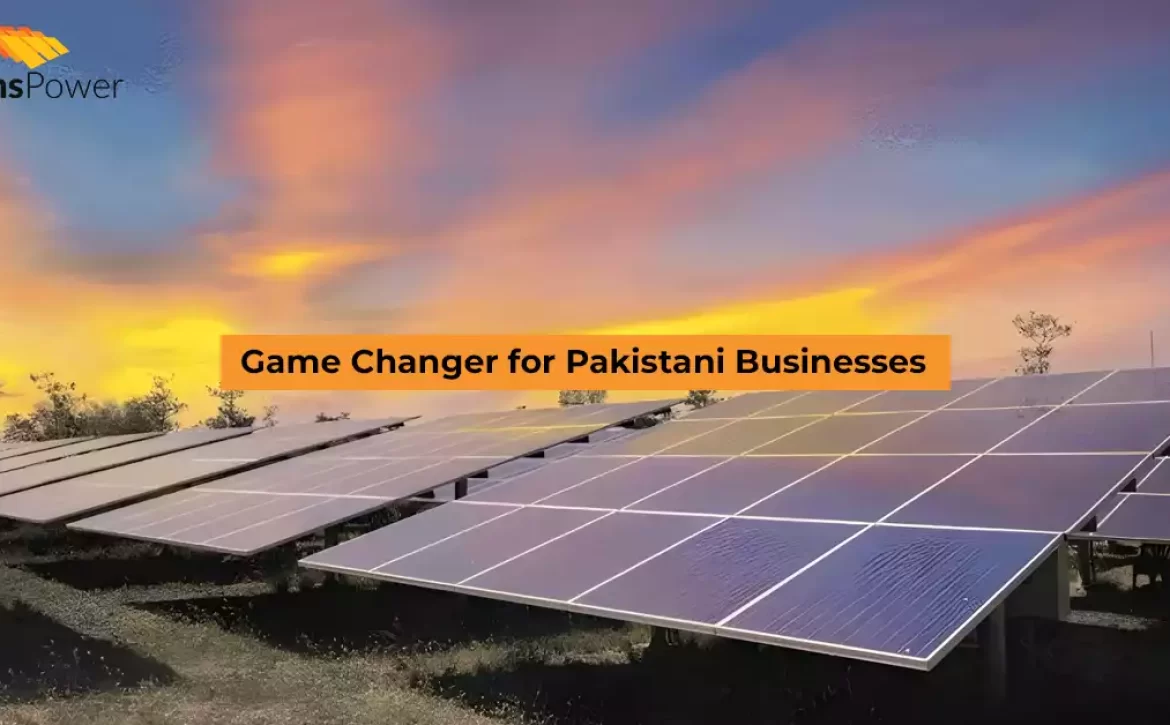
          Solar Power – Game Changer for Pakistani Businesses

          Frequent power disruptions would have halted operations just a year ago. Currently, a collection of solar panels installed on the roof provides all the energy. At Shams Power, we believe that distributed solar energy will play an important role in the future by providing more affordable and easily available electricity. 

          Fair and reasonably priced power access 

          Solar energy is evolving from a commodity to a technology with two main advantages. First, the cost of solar technology keeps decreasing as it advances. The cost of solar energy has dropped by 33.4% each time production has doubled between 2010 and 2023.

          Secondly, international politics and the global market control the price of fossil fuels. In contrast, using solar panels goes a long way in allowing businesses to produce their power, therefore increasing control. People are able to produce their electricity requirements, unlike fossil fuel systems, which require expensive and unpredictable transmission and imports.

          This independence will increase, and energy generation may become more decentralized as batteries become more affordable. This year, Pakistan is among the most glaring examples of emerging economies spearheading this shift.

          Growing demand for solar energy

          Pakistan is now the third-largest importer of these panels after purchasing an astounding 13 gigawatts (GW) of Chinese solar panels in the first half of this year. The UK is only expected to build 1.5 to 2 GW of solar capacity this year, and the US had build 32GW in 2023. In contrast, 46 GW, or 30% of Pakistan’s total power capacity, was imported in just six months in 2023. Locally, the impact is more significant, and this could place Pakistan as the sixth-largest solar panel installer in 2024. 1

          Pakistan’s solar revolution’s driving forces 

          The reliable grids in Pakistan and the inexpensive and abundant supply of solar energy are the two primary drivers propelling the fast adoption of solar power. Businesses in Pakistan suffer from frequent power outages or load shedding, and electricity costs have increased by 155% since 2021.

          Businesses in Islamabad pay between PKR 29.11 ($0.10) and PKR 48.00 ($0.17) per kWh for grid electricity, but solar panels cost about PKR 22-30 ($0.08-$0.11) per kWh.1  Local businesses are adopting solar power due to its affordability and dependability, and more decentralized energy systems are anticipated to develop as battery storage becomes more affordable. This helps businesses because almost three-quarters of Pakistani companies face power disruptions.

          Implications for Pakistan’s emerging economy

          Since coal, oil, and gas generation have decreased during the past two years, Pakistan’s power sector’s carbon dioxide emissions have also decreased. This method can spread to developing nations with strong solar potential. Solar energy is already reasonably priced in Pakistan compared to grid energy, and it will only get more affordable as technology develops. The firms with fewer limitations on their energy use are more likely to grow faster, invest more and recruit more employees. Additionally, businesses can expand thanks to solar’s ability to lessen the need for national infrastructure. 

          Pakistan’s solar revolution demonstrates how solar energy can enable people to take charge of their energy goals and assist Pakistan to get past infrastructure constraints. It closes the performance gap between advanced and developing economies in the energy transition while ensuring equity.

          Read More

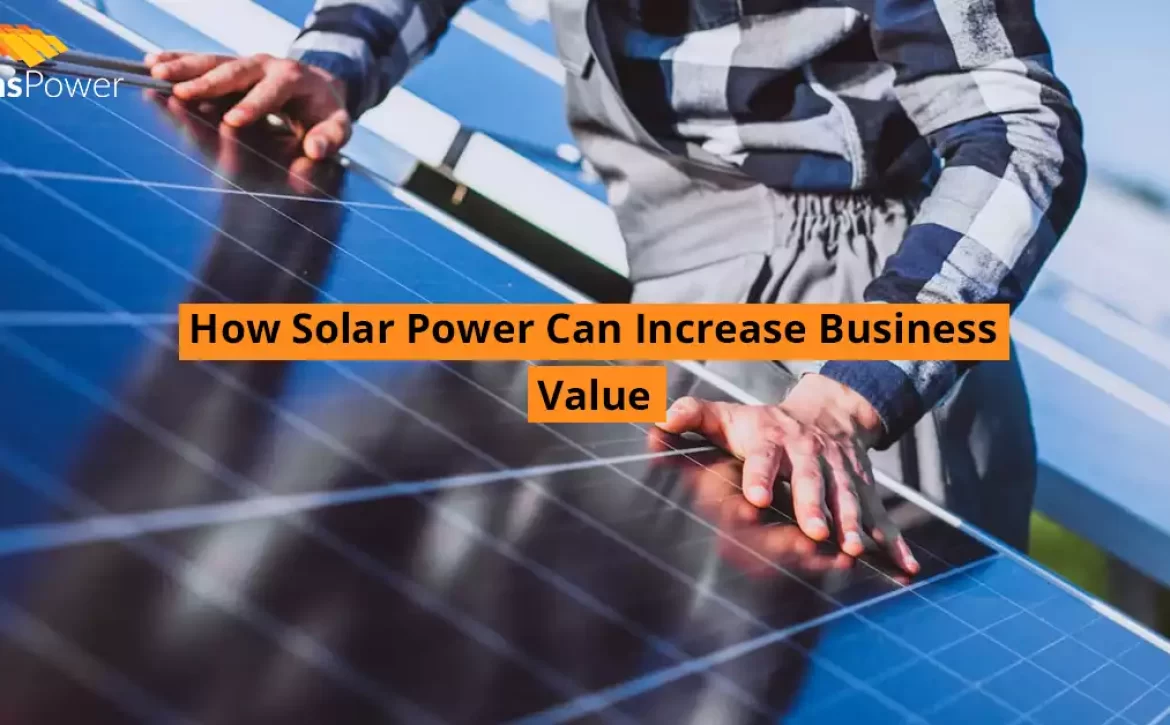
          How Solar Power Can Increase Business Value

          Managing a business involves targeting clients or consumers through the nature and principles of the business. Customers are ultimately there for your products or services, but solar panels could convey your objectives and core values more quickly than any advertising could. Solar panel installation comes with other advantages for your company in addition to providing renewable electricity.

          • Solar panels can be mounted on almost any commercial or industrial roof including offices, warehouses, sports facilities, restaurants, apartment buildings, service stations and so on. This allows the chance of phasing out your electric bill based on the size of your system or the number of rooftops that have solar panels. Depending on the region, there might be even more savings for the eligible businesses if they can feed the other company with excess power produced by solar energy through net metering.
          • Customers can hardly get a better demonstration of what solar panels provide for them. Their exposure benefits businesses as solar is an environmentally friendly endeavour.

          Business

          • Solar power also acts as a boost for society since every facility with solar power is reducing the load on the power supply network.
          • This solar use has several levels of success, despite its apparent nature. When there is a power outage, solar energy will not only allow you to keep some lights on and desktop computers working, but it may also temporarily protect your assets if your company sells frozen or refrigerated goods. Additionally, having a source to keep at least some of your lights on can help you keep your business open, depending on the size and layout of your facility.
          • It can be costly for businesses, especially large-scale installations may not be affordable to businesses or businesses may not wish to make such a capital investment upfront. Commercial solar installations can, however, be financed through PPA. Businesses can greatly lessen their financial burden by working with Shams to implement Power Purchase Agreement (PPA) based solar solutions, which require no upfront costs, guarantee savings, and provide hassle-free operations and maintenance.

          business

          • One of the most alluring advantages of solar electricity for companies is energy independence. Fluctuations in the grid might affect business as usual depending on how much power is consumed by your firm. Small-scale solar arrays can produce enough electricity for any small business to be “behind the meter,” producing just power for on-site consumption.
          • It would have several financial implications if the small business were to make the move to solar power and decrease its dependence on the grid, all to do with the power usage of the business. Consequently, the demand on the grid is reduced, and the amount of electricity generated in a top-down manner from conventional sources such as coal and natural gas is also reduced.

          Conclusion

          Solar panel installation for businesses is the right decision to benefit the organisation and the environment. The rewards of this investment will likely become apparent in a few early years of cash flow and will proceed to generate more than a substantial amount of savings in the long run. Moreover, such companies and institutions can also set a trend for other companies on their premises when they install solar energy sources on their premises.

          Shams Power: Your trusted partner for reliable and affordable solar energy solutions.

          Read More

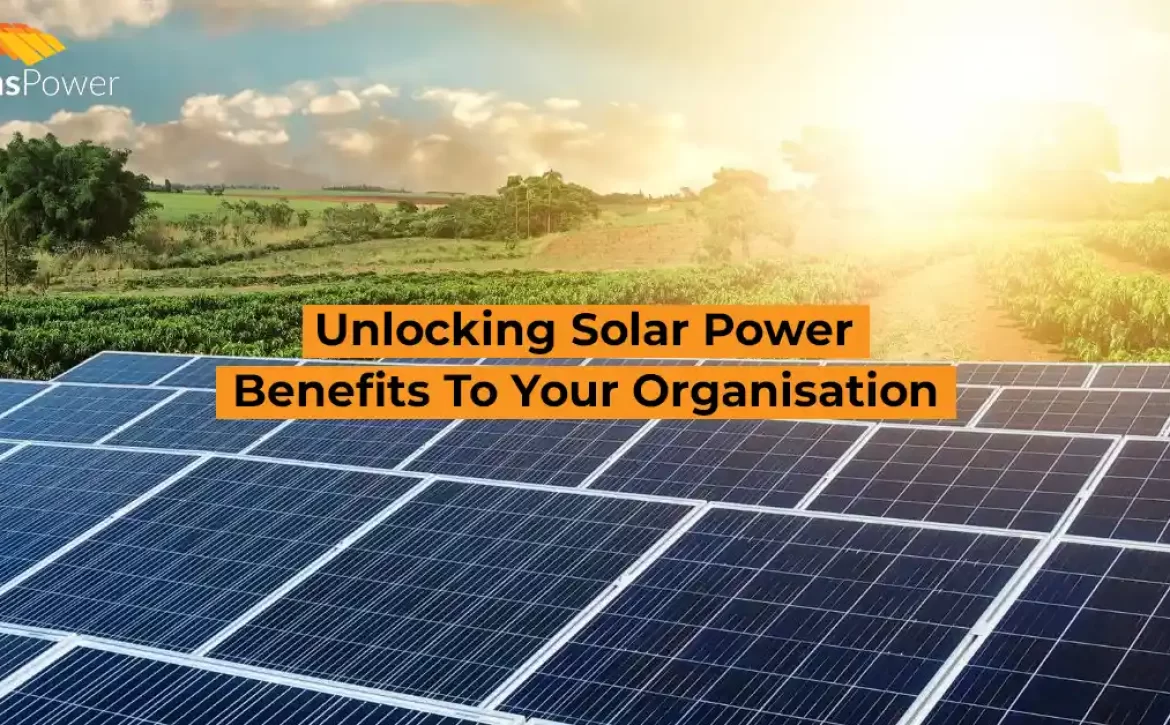
          Unlocking Solar Power: Benefits To Your Organisation

          Solar energy is becoming a popular choice in today’s constantly shifting energy landscape since it holds tremendous potential for a business, both financially and for the future of the planet. Given that global concerns about climate change are so prevalent today, solar panels provide society with a long-term product that satisfies not only the need for sustainability but also a range of other concerns.

          Financial Savings and Incentives

          Mandatory expenditures across various sectors have continually risen with more businesses accessing banking and other financial services. One of the biggest benefits of using solar energy in the future for companies is cost savings. Implementing photovoltaic systems means that electricity costs will be slashed, which is useful for energy-intensive businesses. They may also choose to adopt net-metering benefits in which they could sell back excess power to the grid. It also assists in reducing energy costs while on the side increasing income, hence improving the worth of the business.

          Organisation

          Better Brand Association and Corporate Governance

          With the growing consciousness towards nature, mainstreaming solar energy can go a long way in building a more positive image of the company. Renewable energy buying makes a statement regarding corporate social responsibility (CSR) which enhances the image of the business and attracts customers who are particular as to the type of business they support.

          This also helps in enhancing other stakeholders such as investors and locals as it shows that the company is futuristic and friendly to the environment.

          Energy autonomy and security

          In most cases, using conventional energy resources calls for high costs in terms of price changes and supply disruptions. Solar energy offers an opportunity to increase the degree of freedom in energy supply and demand, which allows companies to mitigate fluctuation in operating expenses. Self-generation results in freedom from market fluctuations, hence providing protection against the uncertainty of fossil fuel prices.

          Additional progressions in the field of energy storage improve this independence since companies are able to store the excess energy for another use, maintaining the power supply during days of peak demand or in case of blackouts.

          Future readiness

          As governments around the globe place new sanctions on their countries to reduce the detrimental effects of climate change, organisations need to be flexible in order to remain relevant. Purchasing solar power positions companies to not only satisfy the current  requirements of the regulations but also to adapt to future changes.

          Organisation

          Recruitment

          Nowadays, people, particularly the young generation, expect employers to be environmentally friendly. Especially when companies commit themselves to solar energy and sustainable actions, they can attract the best workers who want to work for a company that is also concerned about the environment. Therefore, promoting a green environment at the workplace increases the morale and productivity of the employees as the emerging youth likes to work for companies that are environmentally conscious.

          Conclusion

          With the increasing focus on finding sources of sustainable energy, solar power presents a chance for organisations to minimise their impact on the environment. The cost benefits of embracing solar energy include savings on energy expenses, building a strong brand reputation, increased organisation independence on energy, meeting legal requirements, and attracting talented people into the organisation. Do not approach solar energy change as an act of compromise, but as the new, effective business decision that it is. Use the sun’s energy and join us in building a sustainable future for Pakistan.

          Read More

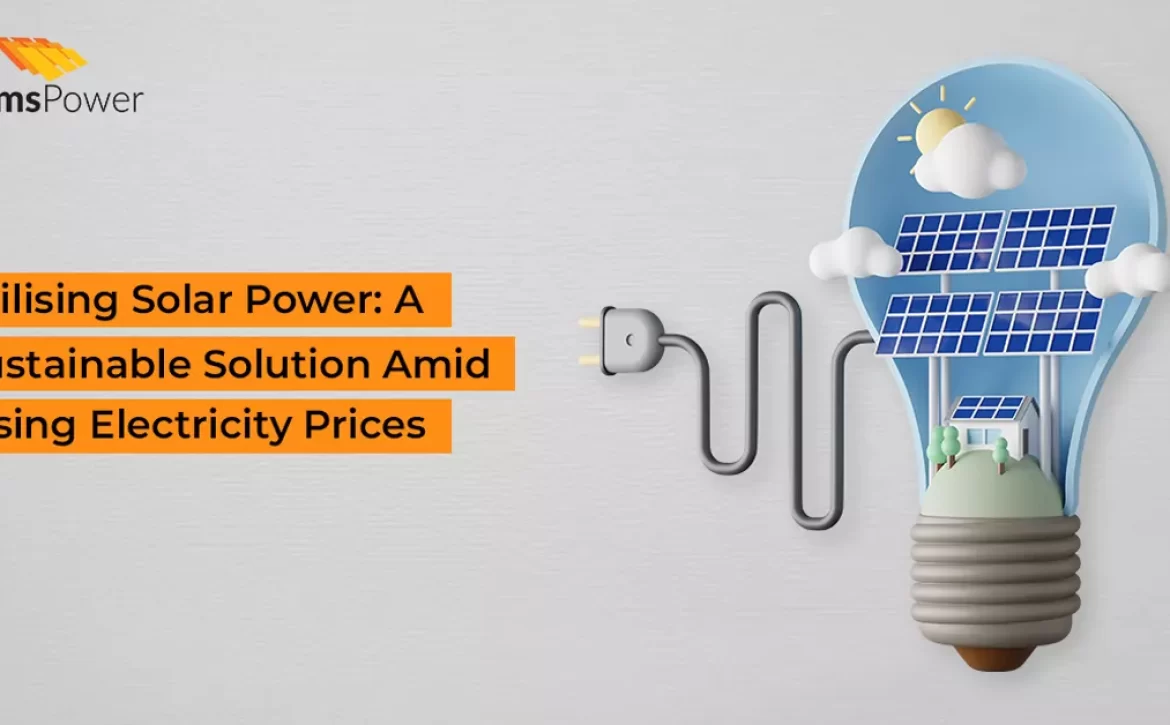
          Utilising Solar Power: A Sustainable Solution Amid Rising Electricity Prices

          [vc_row][vc_column][vc_column_text]In recent years, the cost of electricity has been steadily climbing, impacting businesses. This trend isn’t unique to one region or country; it’s a global concern that prompts us to rethink our energy consumption and seek sustainable alternatives.

          In Pakistan, the National Electric Power Regulatory Authority (NEPRA) has approved yet another increase in electricity rates, slated to take effect from the fiscal year 2024-2025. This decision underscores the urgency for businesses to explore alternative energy sources, such as solar power.

          Understanding the Electricity Price Hike

          The decision by NEPRA to raise electricity prices reflects various factors, including rising fuel costs, maintenance expenses for power infrastructure, and the need for investments in the energy sector. For businesses, this translates into higher monthly bills, adding to the financial burden already faced by many.

          Shams Power Pakistan

          Embracing Solar Solutions with Shams Power Pakistan

          Amidst these challenges, solar power emerges as a viable and sustainable solution. Shams Power, a leading provider of solar energy solutions in Pakistan, offers a compelling alternative to traditional grid electricity. Here’s why adopting solar with Shams Power Pakistan makes sense:

          1. Cost Efficiency and Long-term Savings

          By investing in solar panels, consumers can produce their own electricity, greatly decreasing their dependence on the power grid. While the initial setup cost may seem daunting, it pays off in the long run through reduced monthly bills and potential savings over the lifespan of the solar system, which can be 20 years or more.

          2. Environmental Benefits

          Solar energy is a clean and renewable resource, in contrast to fossil fuels, which cause pollution and contribute to climate change. By switching to solar power, individuals and businesses contribute to reducing carbon footprints and promoting a cleaner environment for future generations.

          3. Energy Independence

          With solar panels installed, consumers gain a measure of energy independence. They become less susceptible to fluctuations in electricity prices and power outages, ensuring a more reliable energy supply for their homes or businesses.

          4. Government Incentives

          Governments often provide incentives and subsidies to encourage the adoption of renewable energy sources like solar power. These can include tax credits, rebates, and favourable financing options, making solar installations more affordable and attractive.

          5. Supporting Economic Growth

          Investing in solar power also supports local economies by fostering innovation in clean energy technologies. It contributes to a more resilient and diversified energy infrastructure for the country.

          Taking the First Step

          Transitioning to solar power with us begins with a consultation to assess energy needs and customise a solar solution that fits your requirements. If you are a business aiming for sustainable operations, Shams Power offers expertise in designing, installing, and maintaining solar systems tailored to your specific needs.

          Conclusion

          As electricity prices continue to rise, businesses must prioritise adopting sustainable energy solutions. Solar power stands out as a reliable, cost-effective, and environmentally friendly alternative to traditional grid electricity.

          Embracing solar with Shams Power Pakistan not only benefits businesses but also contributes to a greener, more sustainable future for Pakistan and beyond. Join the solar revolution today and make a positive impact on your energy consumption and the planet.

          For more information on how Shams Power Pakistan can help you harness solar energy, visit our website or contact our experts on  (+92) 0341 7426777 or sales@shams-power.com to start your solar journey.[/vc_column_text][/vc_column][/vc_row]