Winter Solar Benefits: Maximize Your Energy Savings All Year Round

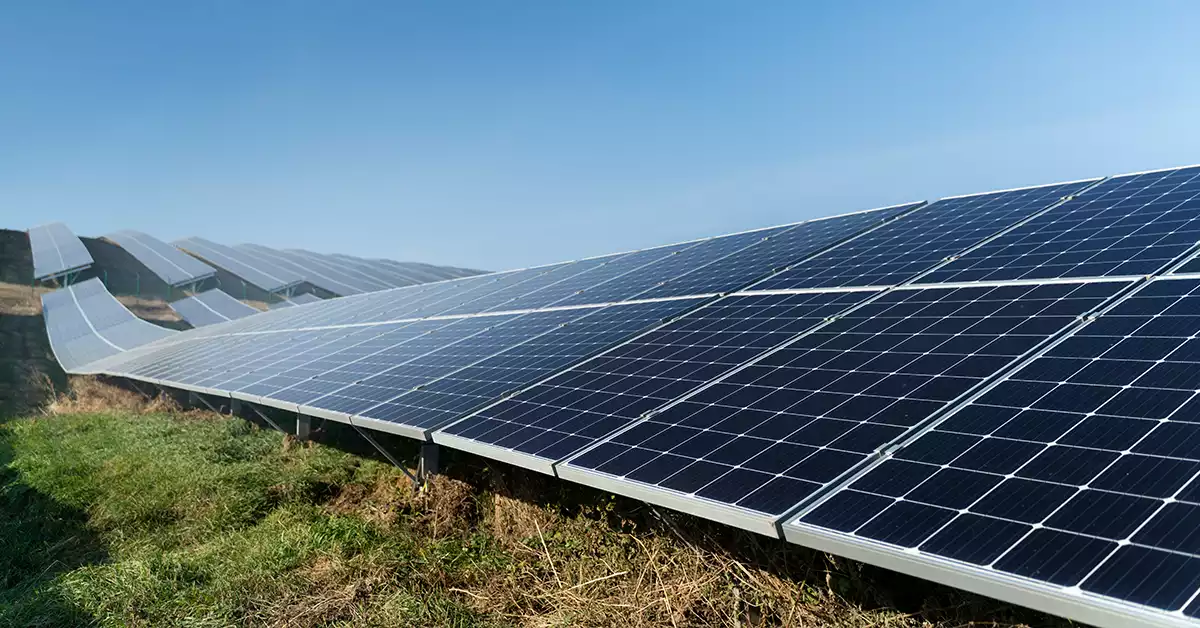
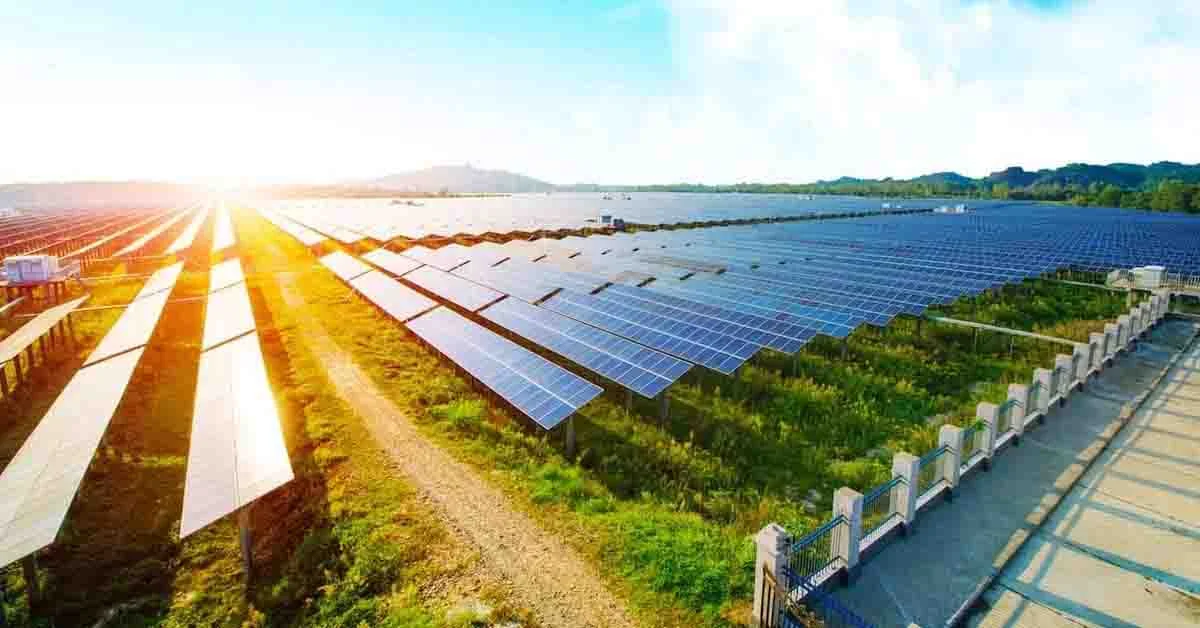
Solar panels are technology wonders that work even during low temperatures.The purpose of the panels is to capture sunlight and transform it into electrical power. Unexpectedly, because solar cells are so sensitive to sunlight, even a tiny bit of light can generate a substantial amount of energy. Even in colder climates, solar panels have several advantages.

Cost Effectiveness

Heating expenses can be decreased by using solar panels. Reliance on conventional energy sources is decreased by installing solar panels, which produce electricity that may run heating systems.Over the long term, this means huge energy savings. Electricity produced by solar panels can be fed into heaters to keep your business warm without spending more money on energy.

Functionality 

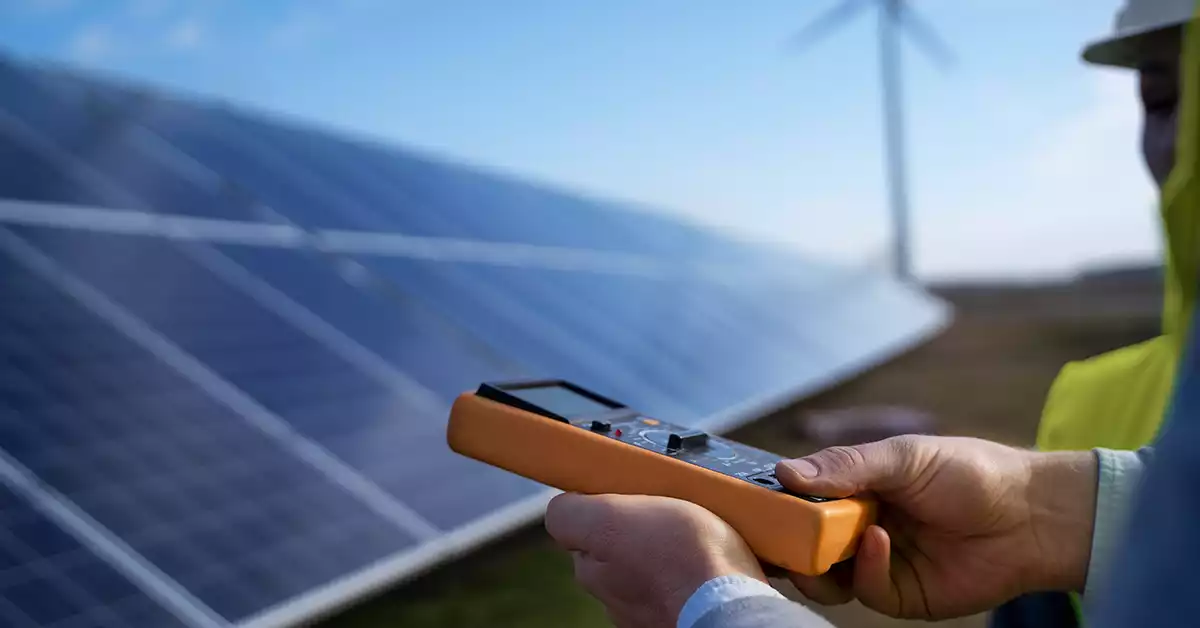
When the sun’s light strikes the cells and activates the silicon’s electrons, a photovoltaic solar panel produces electricity. More energy is created as the electrons move more quickly. The difference between moving and resting electrons determines the total output of a solar panel. Since electrons at rest have less energy in colder temperatures, the difference is greater and the energy production is higher when the sun activates them.

As there is less voltage loss in colder temperatures than in hotter ones, solar energy is also more effective in colder climates. This is because the wire’s resistance decreases with decreasing temperature, allowing for the transmission of greater power!

Installation

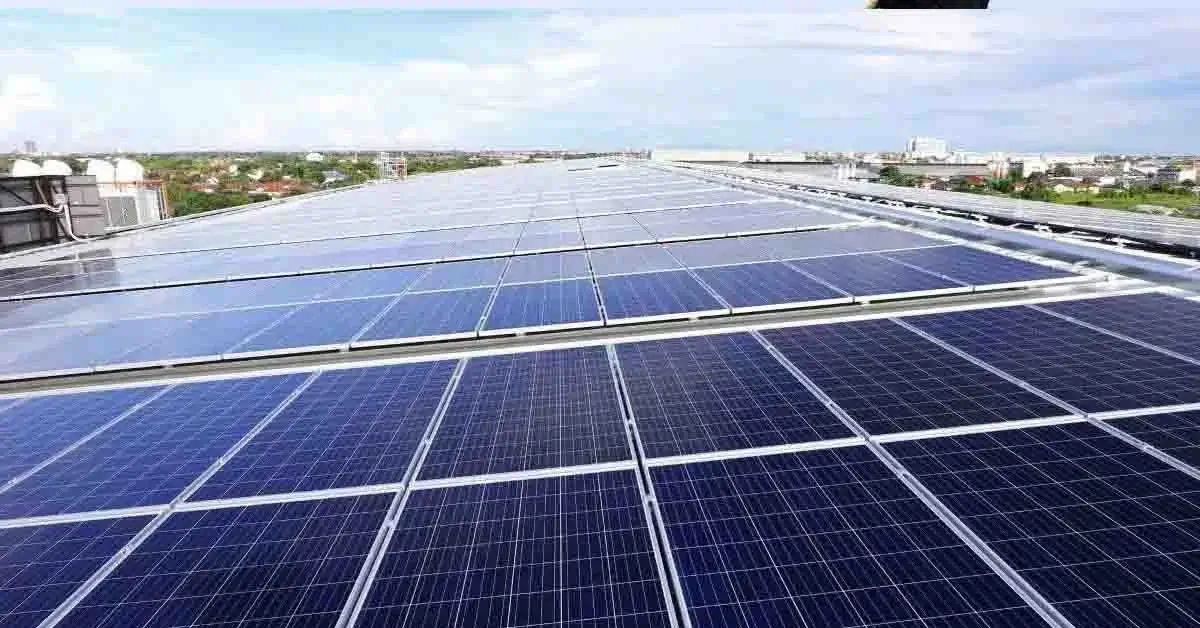
Winter is better for solar panel installation because of the lower temperatures, which make it easier for technicians to maintain your solar system, even if most businesses discover that summer is the most popular period to install rooftop solar panels. Additionally, your solar system powers the entire premises during the winter months when there is hardly any air conditioning, and any extra energy it produces may be given back into the grid. This is a huge benefit for companies.

Conclusion

There are many advantages to using solar panel technology in colder climates besides producing electricity. Solar panels are a sensible option for businesses due to their creative designs that enable them to function well. Even in cold climates, they are a smart choice for anyone looking to incorporate renewable energy because they cut heating bills and provide year-round energy savings.

By lowering carbon footprints and encouraging environmentally friendly energy use, solar panel adoption also supports long-term sustainability goals. 

Shams Power Limited is available to assist you if you’re prepared to investigate roof solar panel systems and enjoy these advantages. Our professionals can walk you through the procedure and get your business ready to effectively use solar power. Begin along the path to a more energy-independent and less expensive energy tomorrow by contacting us today.
Read More

Solar Power Industry Outlook for 2025

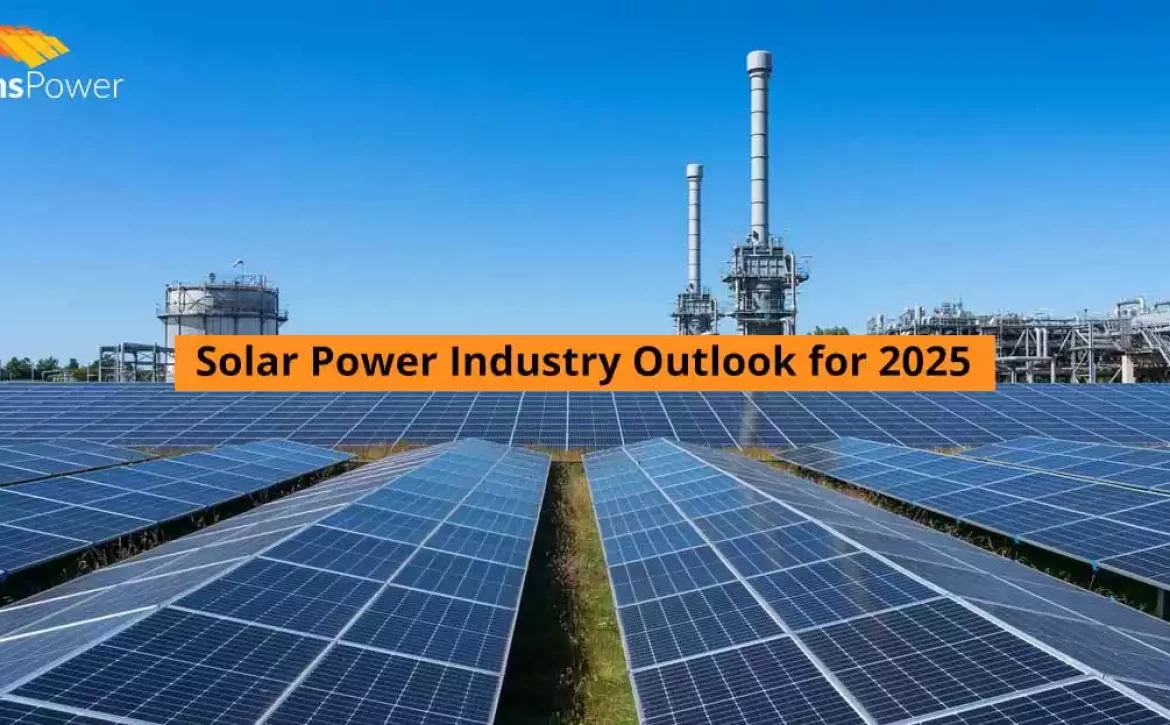
Pakistan’s solar energy sector is anticipated to grow dramatically by 2025 as a result of government subsidies, growing demand for renewable energy sources, and advancements in technology. In an effort to reduce dependency on fossil fuels and improve Pakistan’s electrical issues, solar panels have grown in popularity.

Growth of the Solar Industry
Pakistan obtains solar energy nearly every year due to its substantial sun irradiation. When paired with foreign investments, this aspect offers a fantastic potential to harness solar energy from the nation’s most irradiated sites. Furthermore, the integration of renewable energy sources into generation, transmission, and distribution networks, as well as the off-grid supply via micro- and mini-grids to electrify rural regions nationwide, are some elements anticipated to generate market prospects in the future.

At a compound annual growth rate (CAGR) of 46.55%, the installed base size of the Pakistani solar energy market is anticipated to increase from 2.07 gigawatts in 2025 to 13.97 gigawatts by 2030.1

The factors propelling the market’s growth include growing environmental concerns about the usage of fossil fuels, the decreasing cost of solar panels and installation, and the growing acceptance of solar PV systems.

Utility sector: Dominating the market.

Through the use of photovoltaics (PV) or concentrated solar power, solar energy directly or indirectly transforms solar radiation into electrical power. Given the number of forthcoming projects and the declining cost of solar modules, the utility sector is expected to account for the largest portion of the Pakistani solar energy industry in the future years.

The Pakistani government has set targets, such as ensuring that by 2030, 30% of the nation’s electricity comes from renewable sources.1 

To achieve these goals, Through the Alternative Energy Development Board, the government is attempting to construct solar-generating plants all throughout the nation.

Technology Investments

Pakistan’s transition to solar energy is being accelerated in large part by foreign funding. Collaborations with global financial institutions, development agencies, and solar manufacturers have significantly raised the price and accessibility of solar technologies. Chinese solar companies have contributed significantly to the China-Pakistan Economic Corridor (CPEC) by providing affordable panels and technological know-how.

International finance programs like green bonds and renewable energy funds have also enabled large-scale solar projects in Pakistan, including solar farms and hybrid power systems. These investments not only solve the energy crisis but also promote job creation and sustainable development.

Supportive Government Policies

Following the introduction of a series of measures by the government to encourage the development of renewable energy, solar photovoltaics (PV) became a part of Pakistan’s energy mix in 2013. The Pakistani government is aware that the country receives 9.5 hours of sunlight on average per day. The Ministry of Energy’s Private Power and Infrastructure Board reports that seven 530-megawatt solar projects are up and running, providing power to the country’s system.

Nearly 8.7% of the nation’s renewable energy capacity came from the solar energy sector as of 2023. Over the next few years, this share is expected to rise as a result of numerous government efforts.

The National Solar Energy Initiative, which aims to generate 10,000 megawatts (MW) of electricity through solar energy projects in the upcoming months, was approved by the Pakistani government in September 2022.1 By lowering the import price of pricey furnace oil and diesel, the program hopes to stimulate demand in the nation’s utility industry. To meet its goals, the government is likely to fund additional utility-scale projects and increase the proportion of renewable energy. 

Government buildings, various industries, and tube wells would be able to switch from diesel to solar power with the aid of the solar energy project. A portion of the coal, diesel, and furnace oil-powered power plants will be replaced.

Conclusion

Because of government regulations and initiatives, it is consequently expected that the Pakistani solar energy market will grow significantly over the course of the projected period. The country is getting closer to becoming energy-independent as it increases its solar capacity. Reduced dependency on imported fossil fuels and government initiatives and policies will help the switch to renewable energy. 

Power the future of Pakistan with Shams Power Limited.

Read More

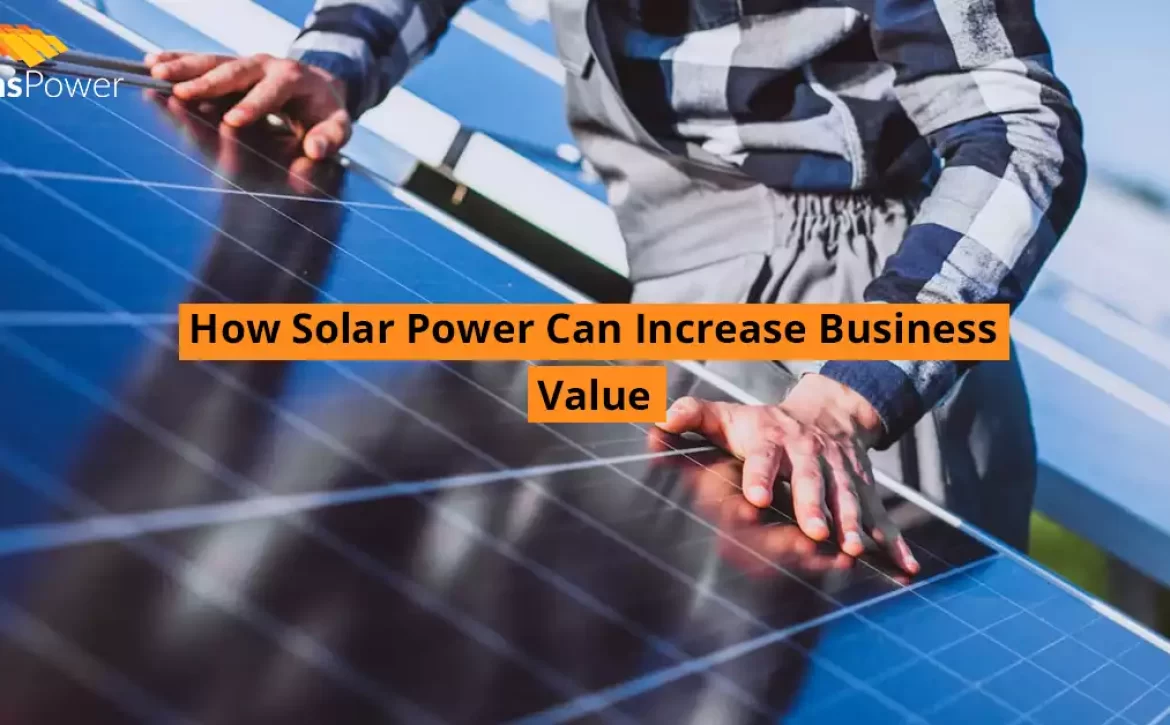
How Solar Power Can Increase Business Value

Managing a business involves targeting clients or consumers through the nature and principles of the business. Customers are ultimately there for your products or services, but solar panels could convey your objectives and core values more quickly than any advertising could. Solar panel installation comes with other advantages for your company in addition to providing renewable electricity.

  • Solar panels can be mounted on almost any commercial or industrial roof including offices, warehouses, sports facilities, restaurants, apartment buildings, service stations and so on. This allows the chance of phasing out your electric bill based on the size of your system or the number of rooftops that have solar panels. Depending on the region, there might be even more savings for the eligible businesses if they can feed the other company with excess power produced by solar energy through net metering.
  • Customers can hardly get a better demonstration of what solar panels provide for them. Their exposure benefits businesses as solar is an environmentally friendly endeavour.

Business

  • Solar power also acts as a boost for society since every facility with solar power is reducing the load on the power supply network.
  • This solar use has several levels of success, despite its apparent nature. When there is a power outage, solar energy will not only allow you to keep some lights on and desktop computers working, but it may also temporarily protect your assets if your company sells frozen or refrigerated goods. Additionally, having a source to keep at least some of your lights on can help you keep your business open, depending on the size and layout of your facility.
  • It can be costly for businesses, especially large-scale installations may not be affordable to businesses or businesses may not wish to make such a capital investment upfront. Commercial solar installations can, however, be financed through PPA. Businesses can greatly lessen their financial burden by working with Shams to implement Power Purchase Agreement (PPA) based solar solutions, which require no upfront costs, guarantee savings, and provide hassle-free operations and maintenance.

business

  • One of the most alluring advantages of solar electricity for companies is energy independence. Fluctuations in the grid might affect business as usual depending on how much power is consumed by your firm. Small-scale solar arrays can produce enough electricity for any small business to be “behind the meter,” producing just power for on-site consumption.
  • It would have several financial implications if the small business were to make the move to solar power and decrease its dependence on the grid, all to do with the power usage of the business. Consequently, the demand on the grid is reduced, and the amount of electricity generated in a top-down manner from conventional sources such as coal and natural gas is also reduced.

Conclusion

Solar panel installation for businesses is the right decision to benefit the organisation and the environment. The rewards of this investment will likely become apparent in a few early years of cash flow and will proceed to generate more than a substantial amount of savings in the long run. Moreover, such companies and institutions can also set a trend for other companies on their premises when they install solar energy sources on their premises.

Shams Power: Your trusted partner for reliable and affordable solar energy solutions.

Read More

2024 Solar Energy Trends

The solar energy industry is waiting to progress to new levels in the next few years that may redefine the renewable energy sector as 2025 approaches. As a consequence of the increasing importance of sustainability and the push for clean energy, several trends for solar technology, policy, and market behaviour were identified. This is what was in store for the solar energy market in 2024.

Solar Energy Storage 

In 2024, an important factor that can be marked is the development of solar energy storage systems. These enhancements made further improvements to the utility of solar energy since it became possible to store any excess power obtained during the day for use during the night or in periods of low solar radiation. New battery technologies, longer life spans, and higher energy storage capacities made solar energy more dependable and user-friendly. This has helped businesses to increase their opportunities to get the greatest solar elevation, due to the improved solar abilities which have reduced the dependence on mainstream electricity and enhanced energy self-sufficiency.

systems

Emergence of Solar-Based EV Charging Poles

Another noteworthy trend that got underway is the rise of the utilisation of electric vehicles (EVs). There has been a positive correlation between solar energy and electric vehicles over the period as the Commercial and Industrial sectors have gradually incorporated the use of solar energy in powering EV charging stations. Besides helping in meeting ecological goals, this collaboration provided convenience and cost advantages to EV customers. It can be concluded that the human need for charging electric vehicles using solar energy will grow together with the growth of figures of individuals who are using electrical vehicles, hence strengthening solar energy in the transport sector.

Further Enhancements Of Solar Panels

Research and development currently taking place focuses on improving the efficiency levels of solar panels. New generation concepts like bifacial or multi-facial systems where the solar panel has both surfaces absorbing light are expected to be unveiled. All these developments will tend to yield improved solar array configurations, which will pack more output energy within a given physical scale. Solar energy will continue to be a more attractive proposition for organisations that seek to contain their energy expenses in addition to their emissions as efficiency rises.

Corporate Social Responsibility and Sustainability

There is increasing awareness of environmental issues. As a result, sustainability has emerged as a make-or-break for companies. Many companies made solar energy a part of their corporate social responsibility (CSR) for the year 2024. These companies proved that they are environmentally conscious and willing to cut greenhouse emissions through solar electricity. Besides, public awareness of a company is enhanced, not forgetting the fact that the alignment of organisational sustainability goals receives attention from environmentally conscious investors/ consumers.

systems

Government Support

Government was an absolute driving force of the growth of solar energy in 2024 More support measures were introduced for the companies to enhance the utilisation of solar energy. This entailed providing tax credits, grants and other incentives to make the financial payback of installed solar systems more feasible for companies. Such encouraging policies have been put into place and based on this, the solar market is expected to grow, hence increasing competitiveness and innovation in the industry.

Conclusion

The factors that are likely to cause the alteration in future use of solar energy include favourable government regulations, technology advancements, and improved focus on sustainability. The future of the technologies used in solar power seems promising as a result of recent innovations in both energy storage systems and in the efficiency of photovoltaic panels and the integration of solar charging into electric vehicles. The trend towards solar power will accelerate as many organisations continue to discover value in embracing renewable resources for electricity production.

Read More

How Different Solar Panels Work: A Comprehensive Guide

[vc_row][vc_column][vc_column_text]Solar panels have transformed the way we produce energy, offering a sustainable and environmentally friendly alternative to conventional fossil fuels. With global energy demands on the rise and growing concerns about climate change, the shift towards renewable energy sources like solar power has become increasingly vital. Solar panels capture sunlight and convert it into electrical energy, providing a dependable, sustainable, and environmentally-friendly power source. This advancement is made possible by sophisticated photovoltaic technology, which has seen significant development over the years. There are currently three primary types of solar panels: monocrystalline, polycrystalline, and thin-film. Each type has unique features, efficiency levels, and uses.

Grasping the differences between these solar panels is crucial for making informed choices regarding their use in commercial and industrial environments.

Types of Solar Panels

Monocrystalline Solar Panels

Monocrystalline panels are widely recognized for their exceptional effectiveness and enduring resilience. Made from single-crystal silicon, these panels are characterised by their unique black colour and rounded edges. The high-purity silicon allows them to reach efficiency rates of up to 21.5%. Their superior efficiency makes them perfect for limited spaces, as they produce more power per square meter.

Polycrystalline Solar Panels

Polycrystalline panels are made from melted silicon poured into molds and sliced into square wafers. These panels have a blue, speckled look and are less efficient than monocrystalline panels, generally achieving 13-16%1 efficiency. However, their production process is less wasteful and more economical, making them a popular choice for budget-conscious businesses.

Thin-Film Solar Panels

Thin-film panels stand out from the other types because they are made from various materials such as cadmium telluride (CdTe) and amorphous silicon (a-Si). These panels are created by layering thin coatings of photovoltaic material onto a foundation. Although they are less efficient, with efficiency rates around 15-16%1, their manufacturing process is simpler and more cost-effective. Moreover, thin-film panels are flexible, which makes them well-suited for non-traditional installation applications.

Solar Panels

Types of Solar Systems

On-Grid Systems

On-grid solar systems connect directly to the public power grid, enabling users to draw from the grid when their solar energy production falls short. They enable cost savings through net metering, allowing excess energy to be sent back to the grid in exchange for credit. These systems are ideal for urban settings with consistent grid access.

Off-Grid Systems

Off-grid solar systems function independently of the utility grid, providing full energy independence. They are well-suited for remote or rural areas where the grid is not available. These systems often include batteries to store excess power for use during periods without sunlight.

Hybrid Systems

Hybrid solar systems merge solar energy with a link to the power grid. They use solar energy while remaining connected to the grid for additional support when needed. This setup allows users to decrease their dependence on conventional energy sources while having a backup option for times of low solar production.

Choosing the Right Solar Panel

Selecting the appropriate solar panel requires evaluating elements such as your budget, the space you have available, and your specific energy needs. Monocrystalline panels are ideal for those needing high efficiency and have limited space for installation. Polycrystalline panels offer a good compromise between cost and performance, making them ideal for expansive areas where space is not limited. Thin-film panels are perfect for flexible, cost-effective installations.

Solar Panels

Future of Solar Panels

Improvements in solar technology are consistently boosting both efficiency and cost-effectiveness. We are your reliable partner for efficient and budget-friendly solar energy solutions. Dedicated to utilising state-of-the-art technology and sustainable practices, we provide a variety of solar energy systems designed to meet the unique needs of our clients. Choosing us means lower energy costs, improved efficiency, and a reduced carbon footprint. At Shams, we prioritise quality and customer satisfaction, ensuring seamless installation and maintenance for a smooth transition to solar energy. Experience the Shams Power difference: Expertise, innovation, and customer-centricity.[/vc_column_text][/vc_column][/vc_row]

Read More

Leading the Way in Renewable Energy: Mondelez Pakistan 2.2 MW Partnership with Shams Power

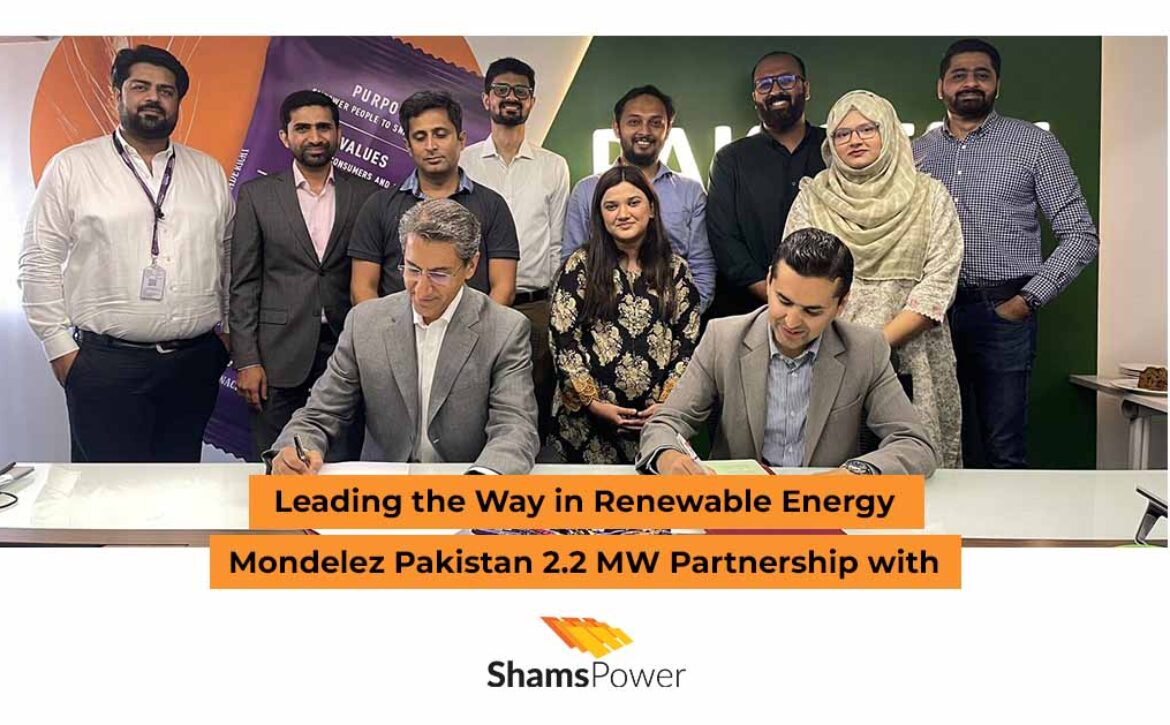
[vc_row][vc_column][vc_column_text]Mondelez Pakistan has partnered with Shams Power to solarize its confectionary and powdered beverages plants and to take the installed capacity to around 2.2 MW of Solar on both sites. This initiative aims to enhance sustainability and reduce carbon emissions.

Shams Power will install the equipment, manage the operation and maintenance of the solar systems throughout the agreement, and transfer the equipment to Mondelez Pakistan upon the term’s completion.

This project is expected to contribute approximately 3.3 million units of clean energy annually to Mondelez’s electricity mix, offsetting around 1,500 tons of carbon emissions each year. This reduction in emissions is equivalent to the annual electricity consumption of approximately 1,000 households.

Sami Wahid, Managing Director, Mondelez Pakistan, stated: “ESG and environment initiatives are at the top of our priorities. We take pride in the fact that happiness is at the core of all our products, and we wish to extend that spirit into all our operations. We stand strong with a happier healthier planet and will ensure all steps necessary towards building a progressive community inside and around Mondelez.”


Omar Malik, CEO, Shams Power, spoke on the value addition of alternate energy to any business operations. He was especially elated to have partnered with Mondelez, and commented: “We at Shams Power are excited to extend our partnership with Mondelez Pakistan and are thankful to their leadership and management team for their vision, and commitment towards green energy, contributing in a positive way to mitigating climate change We look forward to expanding this relationship and exploring additional sustainability initiatives together.”

Mondelez, through this collaboration with Shams Power, is set to further reduce its carbon footprint, lower energy costs, and promote sustainability.

By using renewable energy sources, the company aims to support environmental conservation and align with global efforts to combat climate change. This initiative also reflects Mondelez’s commitment to corporate social responsibility and sustainable business practices.[/vc_column_text][/vc_column][/vc_row]

Read More

The Rise of Pakistan’s C&I solar Business

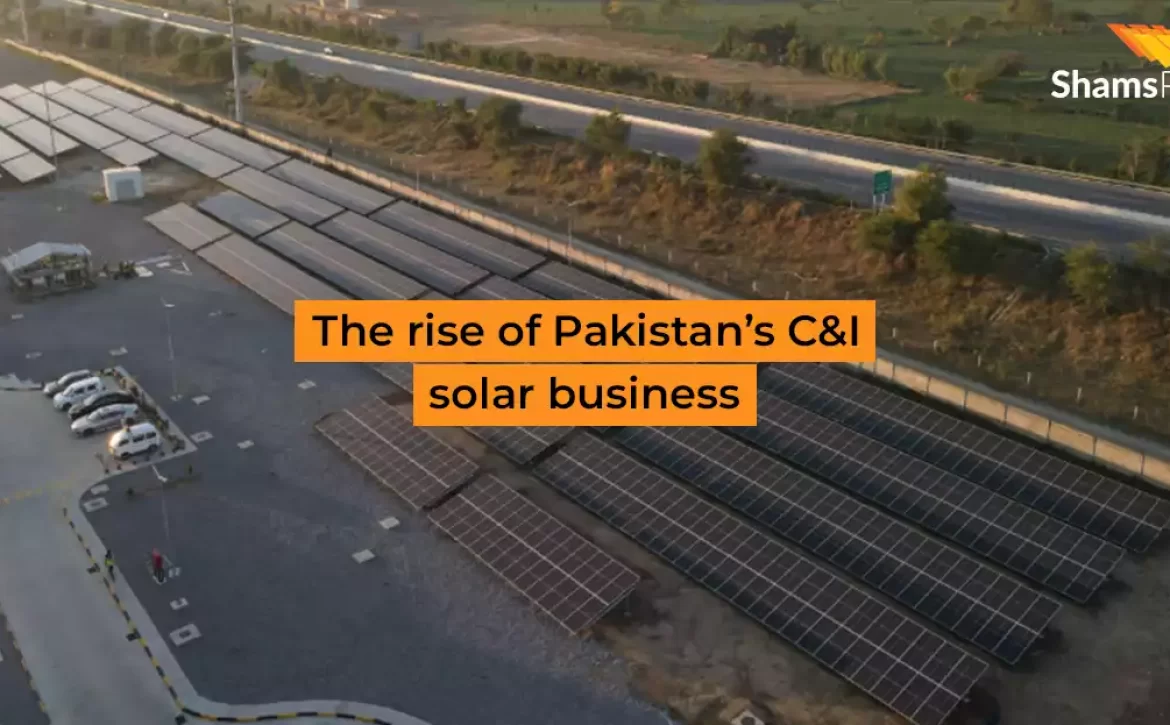
[vc_row][vc_column][vc_column_text]High energy prices and levies are becoming strong drivers for commercial and industrial (C&I) solar projects in Pakistan. Omar Malik, the CEO of Pakistani C&I solar developer Shams Power, speaks with pv magazine about market trends and challenges.

C&I power consumers are increasingly deploying solar arrays in Pakistan due to high energy prices and tariffs.

“The average industrial consumers currently pay a tariff of $0.12/kWh,” Omar Malik, the CEO of Pakistani solar developer Shams Power, told pv magazine. “But this is only half the story, as they also have to pay another $0.10 in taxes on every kilowatt-hour they purchase from the grid. The government relies on five to six sectors for the bulk of its indirect tax collection, with electricity being one of the largest ones.”

High-self consumption rates mean lower electricity costs and lower taxes. Under the nation’s current regulations, the sale of excess power to the grid under net metering is only allowed for generators up to 1 MW in size.

The government also only exempts import duties on solar panels. “The exemption on solar inverters has been recently removed,” Malik said. “But this has not had consequences on the market development.”

Pakistan’s National Electric Power Regulatory Authority (NEPRA) issued 1,596 net-metering licenses across the country with a cumulative capacity of 221.05 MW in the 2022-23 fiscal year, according to official statistics from the Associated Press of Pakistan.

Malik said the market is also growing in terms of panel imports.

“In 2022, 2.8 GW of solar panels were imported into Pakistan. In 2023, about 5 GW, despite the import controls, and this year the prediction is for up to 12 GW,” he stated.

Financing concerns

One of the main hurdles to address in Pakistan’s C&I segment is access to financing.

“Banks and lenders in Pakistan keep considering solar assets as very fast depreciating assets,” Malik explained, noting that the volatility of the Pakistani rupee is still an issue compared to India, where access to financing is easier. “The Indian currency is stable enough for international investors.”

Despite these challenges, Shams Power was able to raise $20 million debt from local banks backed by a guarantee from an international credit enhancer, GuarantCo.

“In order to achieve this, we have to bring the bank in at the project finance stage,” Malik explained. “Or we can even do this after a year or two of operation, when we have some defined cash flows and we can show how these assets are performing and get the portfolio refinanced.”

Many Pakistani companies that export denim and textiles to the US and European markets face pressure from their buyers to support their supply chains with clean energy.

“In effect, there is some pressure to move toward renewables, but it is not coming from the government,” said Malik.

Storage segment

The C&I segment does not yet offer a big business case for battery storage.

“Batteries are still not economically viable when it comes to grid parity owing to high duties and taxes on import of batteries and storage technologies,” Irteza Ubaid, chief operating officer for Shams Power, told pv magazine. “With the current electricity price scheme in place, you can only generate profits when there is a power outage. Or when peak rates hit, you can start using batteries. However, the levelized cost of storage of C&I tier-1 batteries today, however, is still close to $0.35/kWh. We are still not able to give an economic benefit to clients to set up storage because they can buy grid power at less than $0.30, they’re really not interested – unless they have a continuous production process and cannot afford any interruptions.”

Shams Power is currently building 5 MWh of storage projects in Pakistan.

“We have been educating our clients and convincing them about not just looking at the per kWh cost, but also looking at additional benefits like the quality of power and environmental benefits,” Ubaid said.

Import duties are still being imposed on batteries, which means upfront costs remain higher than in other, more mature renewable energy markets.

Shams Power has a track record of deploying more than 40 MW of C&I solar for major clients such as Coca-Cola, Mondelez, AkzoNobel, Metro, Packages, Shifa Hospital, Hyundai, and Sanofi. It has a pipeline of more than 200 MW with large multinationals and local businesses across Pakistan.[/vc_column_text][/vc_column][/vc_row]